
If you've ever stood in an RV lot wondering whether bigger is actually better, you're not alone. The answer, honestly, depends on who's coming with you, how long you're going, and how much you care about fitting into a regular parking space.
Class B and Class C are industry labels used by US manufacturers to describe body styles, but specs vary widely between builders and models. Neither class is universally better. Here's an honest side-by-side so you can figure out which one actually fits your trips.
A quick note: Boho Camper Vans builds camper van conversions on Ford Transit, Ram ProMaster, and Mercedes-Benz Sprinter platforms and also offers camper van rentals. Check current rental listings for available vehicles. This guide covers both classes so you can find the right fit for your trips.
What Class B and Class C RVs Are
Understanding the structural difference makes comparison easier.
Class B RV
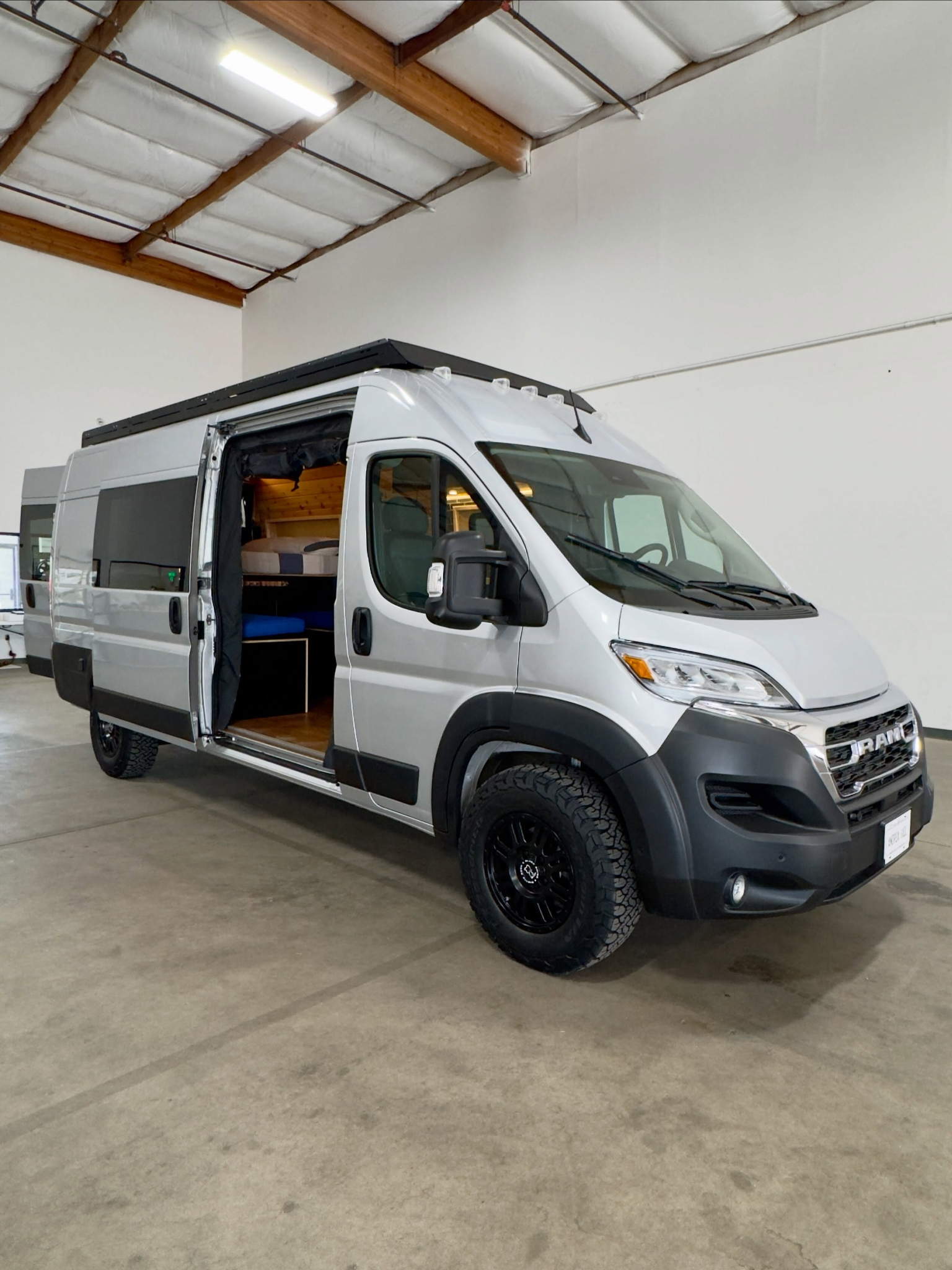
A Class B is a motorhome built within a standard van body. The sleeping area, compact kitchen, and optional bathroom all fit inside the original van shell. Most Class B units run 17 to 24 feet long.
Because they stay within the van body, they drive much like an oversized passenger van and can be easier to park than larger motorhomes; check the specific vehicle’s length, height, overhang, and parking restrictions.
Class C RV
A Class C is built on a cutaway cab chassis, typically a truck or van-front cab, with a coach body added behind it. The most recognizable feature is the cab-over bunk above the driver's cab, which is where much of the extra sleeping capacity lives.
Class C units commonly run 20 to 33 feet long and offer a noticeably larger interior than a Class B.
Class B vs. Class C RV: Key Differences
| Feature | Class B | Class C |
|---|---|---|
| Length | 17 to 24 ft | 20 to 33 ft |
| Sleeping capacity | Typically 2 to 4 (model-dependent) | Typically 4 to 8 (model-dependent) |
| Bathroom | Optional; compact when included | Usually included; more usable size |
| Kitchen | Compact galley setup | More counter and storage space |
| Fuel economy | Varies by chassis, load, and driving conditions | Varies by chassis, load, and driving conditions |
| Driveability | Closest to everyday van driving | Larger footprint; more adjustment needed |
Driving and Parking
Class B generally has the advantage here. Its van-based dimensions mean better visibility, easier lane changes, and access to campsites and parking lots that a longer rig won't fit. For travelers who plan frequent one-night stops, back-road exploration, or urban driving, the smaller footprint makes a real day-to-day difference.
Class C motorhomes take more adjustment, especially for drivers without prior experience in larger vehicles. They handle comfortably on highways but require more planning at campgrounds and in tighter spaces.
Space and Amenities
Class C generally has the advantage here. The cab-over bunk alone adds meaningful sleeping capacity, and the larger coach body gives families more room to store gear, move around, and use a dedicated bathroom.
Kitchens tend to have more counter space, and some models include slide-outs that expand the living area when parked.
Class B living spaces are designed for efficiency. Suitability depends on the floor plan: confirm approved travel seats, sleeping dimensions, storage, and how the group will use the space.
Purchase and Running Costs
Class B motorhomes often use less fuel than larger Class C models, but actual consumption depends on chassis, engine, loaded weight, speed, terrain, and conditions. Compare documented results for similar vehicles rather than relying on one class-wide MPG range.
On purchase price, Class B is not always the cheaper option. Premium custom conversions can match or exceed older Class C models. Compare the full ownership picture, fuel, insurance, campsite fees, and maintenance, rather than sticker price alone.
Benefits and Trade-Offs by Trip Type
The honest trade-off is straightforward: more interior space almost always means a larger footprint, and easier driving usually means less room inside.
Weekend trips and frequent touring: Class B suits couples or solo travelers who want to move often, stay flexible on campsites, and keep daily driving low-effort. If you want to rent a camper van before committing to a purchase, a Class B rental is the easiest entry point into van travel.
Extended family trips: Compare fixed sleeping arrangements, bathroom access, approved travel seating, and storage in both classes. The larger layout becomes worth the trade-off in drivability when you're staying put for longer stretches.
Mixed-use: A Class B can work as a daily driver or weekend vehicle between longer trips. A Class C is harder to use casually given its size.
How to Choose the Right RV Class
Before deciding, ask yourself:
How many people are traveling regularly?
Do you need fixed beds, or is a convertible setup fine?
How often will you move campsite versus stay in one spot?
Are you comfortable driving a longer vehicle?
Where will you store it at home?
Choose Class B When
A Class B works for more than solo travelers and couples. Boho’s Old Faithful layout seats and sleeps up to 4 travelers on a 20'-24' cargo van platform, which is available on Ram ProMaster, Ford Transit, and Mercedes-Benz Sprinter. It features face-to-face seating that converts for sleeping, a retractable butcher block table, and an open floor plan with flexible storage underneath. With upgrades, it can be built for 4-season use and families. Note that sleeping capacity (how many can sleep) is separate from approved travel seating (how many belted seats the vehicle has). To learn about child-seat compatibility, please connect with our team directly.
If you're based in or traveling through the Southwest, start by browsing available campervans in Phoenix.
Choose Class C When
A Class C suits travelers who need fixed sleeping areas for kids or guests, a bathroom arrangement that meets their needs, significant storage, or more comfort on longer stays. A family of 4 planning a 3-week national parks tour will appreciate the cab-over bunk and roomier layout, even if it costs more per mile to get there.
Boho Camper Vans builds custom Class B conversions on Ford Transit, Ram ProMaster, and Mercedes-Benz Sprinter. Three named layouts, Old Faithful, Phantom Ranch, and King Canyon, span Essential through Elite trims, with a fully bespoke Custom Elite option. Available features such as a cassette toilet, outdoor shower, and off-grid electrical systems vary by layout and trim. See current configurations at boho.life/new-builds.
For couples or small groups who want more self-sufficiency without stepping up to a much larger vehicle, a custom build can close some of that gap.
What to Check Before Buying
Floor plan photos don't tell the full story. Go through these before you commit:
Payload and GVWR: Add up passengers, water, food, gear, and fuel. Many buyers find they're close to the vehicle's rated capacity before they've packed a bag. An RV technician or weighing specialist can help you assess your real-world payload under load.
Legal travel seats: Sleeping capacity is not the same as legal belted seating. Confirm how many seatbelt-equipped seats the specific vehicle has.
Bathroom usability: Walk through it in person. Wet baths feel very different from how they look in photos.
Storage access: Check undercarriage bays and exterior compartments with your actual gear in mind.
Home parking: Measure before you buy. Many HOAs and neighborhoods restrict overnight RV parking.
Servicing: Confirm what's available in your area for the specific chassis before committing.
If you're looking at pre-owned options, Boho Camper Vans offers a selection of used travel vans for sale, including retired rental fleet vehicles that have been professionally converted.
Finding the Right Fit
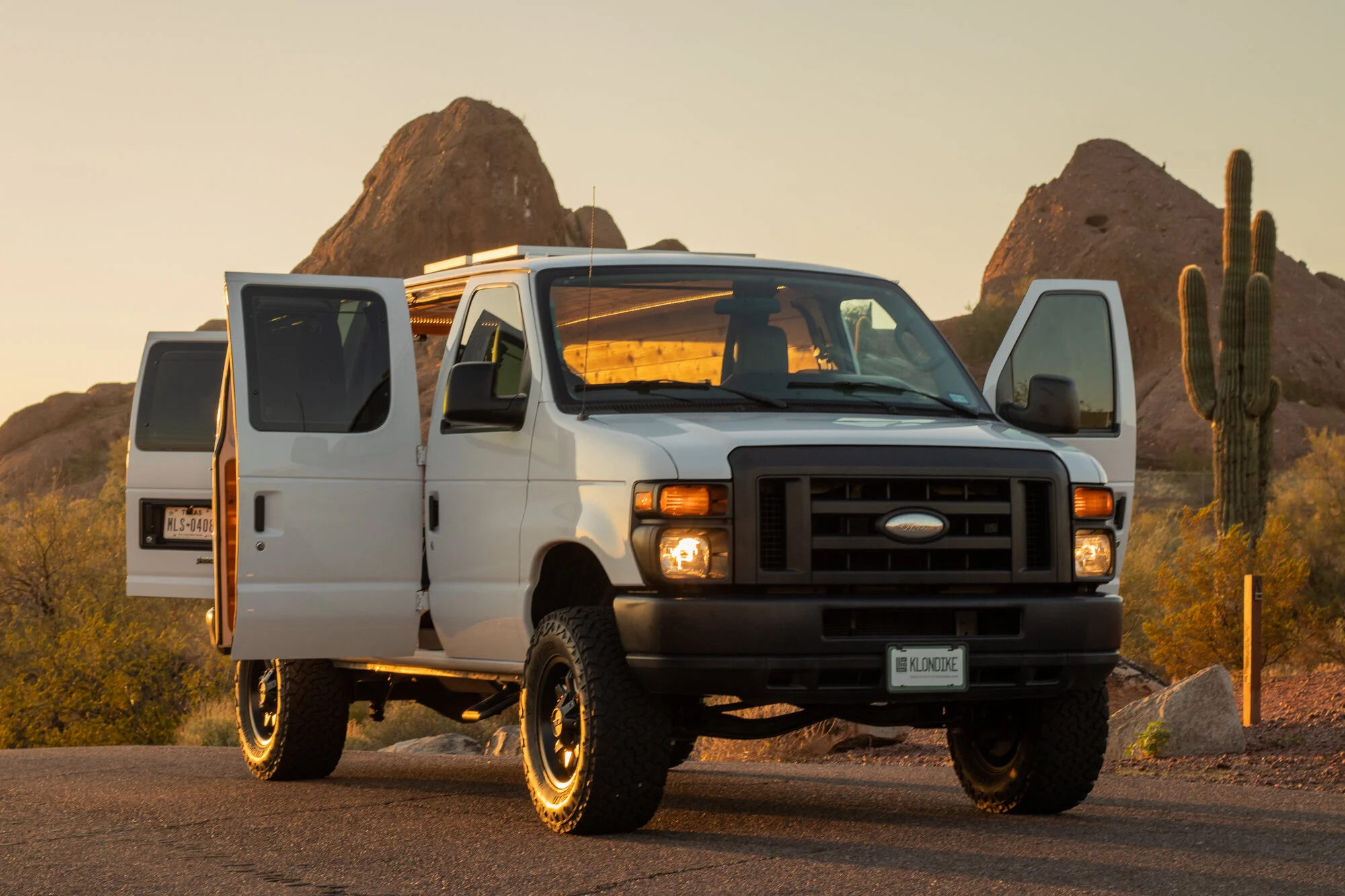
Class B and Class C motorhomes serve different needs, and the right choice depends on how you actually travel. If compact handling, fuel savings, and flexibility are your top priorities, a Class B camper van is a great choice. If additional floor space is important, compare Class C options with the camper van layouts that meet your seating, sleeping, and storage requirements, or schedule a build consultation to start designing your custom setup
Licensing requirements depend on the driver’s licensing jurisdiction and the vehicle’s weight and configuration. Confirm requirements with the relevant licensing authority before you drive.
Start with how you actually travel, not the floor plan, and the right class tends to become clear on its own. For buyers considering financing, camper van financing options are more accessible than most people expect.
FAQs
-
Class B is generally easier, particularly for drivers new to larger vehicles. Its van-based dimensions make it handle more like an everyday vehicle. A Class C requires more adjustment, especially for parking and tight turns, though most drivers adapt with practice.
-
Class B RVs typically use significantly less fuel. Engine type, vehicle weight, aerodynamics, and driving speed all affect real-world consumption, so treat published figures as a range rather than a guarantee.
-
Class C layouts more often include fixed beds, a cab-over bunk, and larger bathrooms suited to families. Always confirm how many legal, belted seats the specific model has. Sleeping capacity and legal travel capacity aren't the same.
-
Licensing is based on vehicle weight and configuration, not RV class, and requirements vary by jurisdiction. Confirm with the relevant licensing authority for the specific vehicle and location before you drive.